🧱 Our Journey

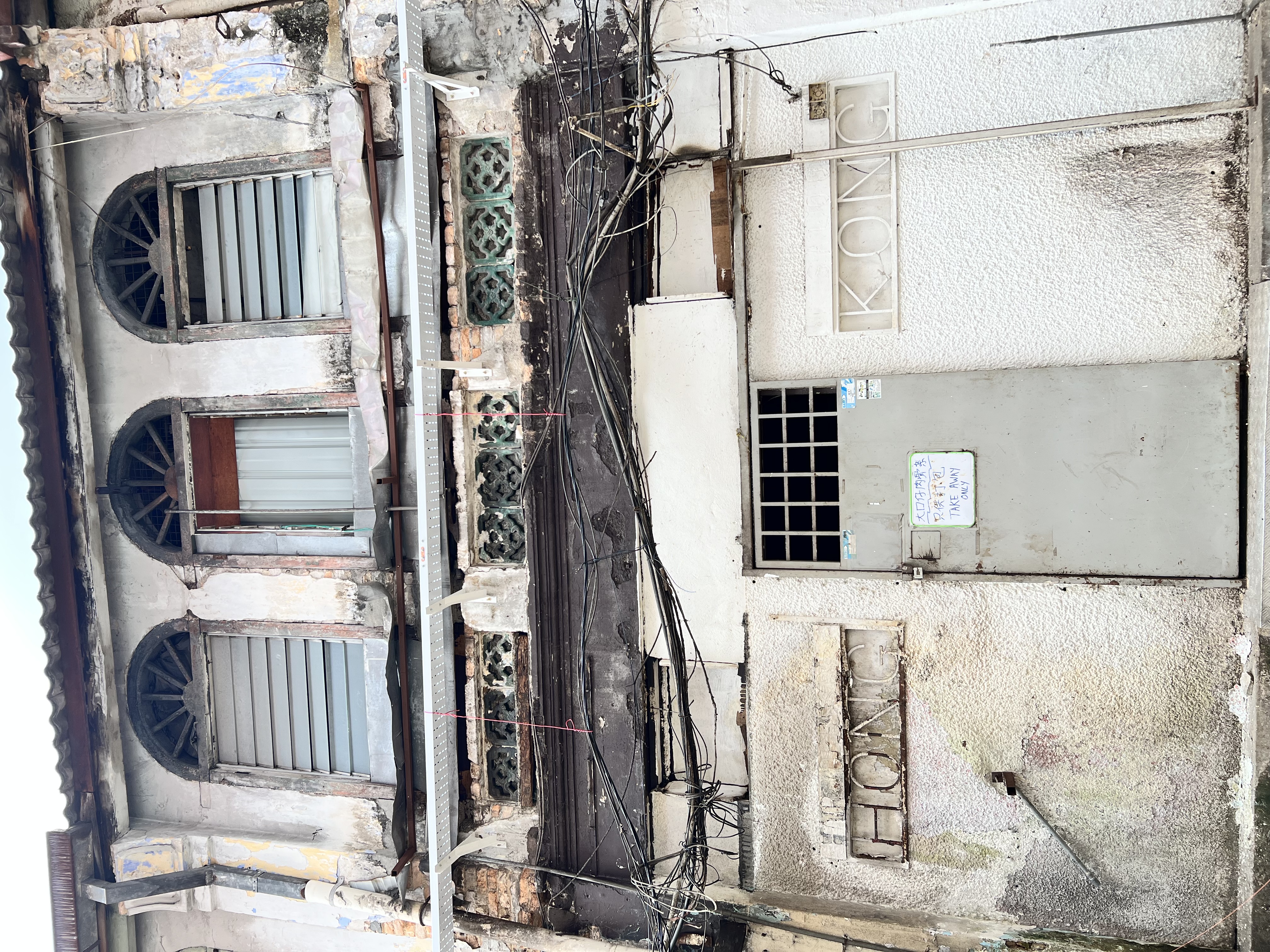
Drury Heritage began as a long-delayed pause — in a life, and in a forgotten corner of Kuala Lumpur.

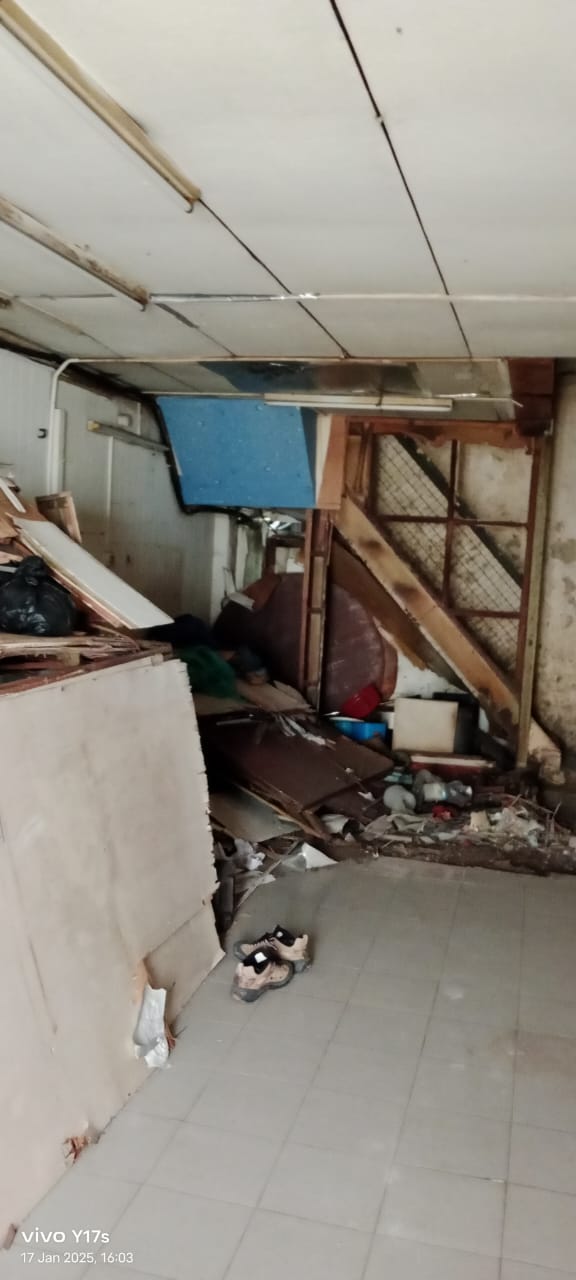
It wasn’t planned. It wasn’t funded by a VC. It started with a family-owned lot, a slowing heartbeat, and the question: “What could this become?”

What began as a side idea soon became a calling — a chance to turn time and experience into place and presence.

What started with family conversations and floor plan sketches has become something deeper: a transformation from corporate cycles to cultural creation.

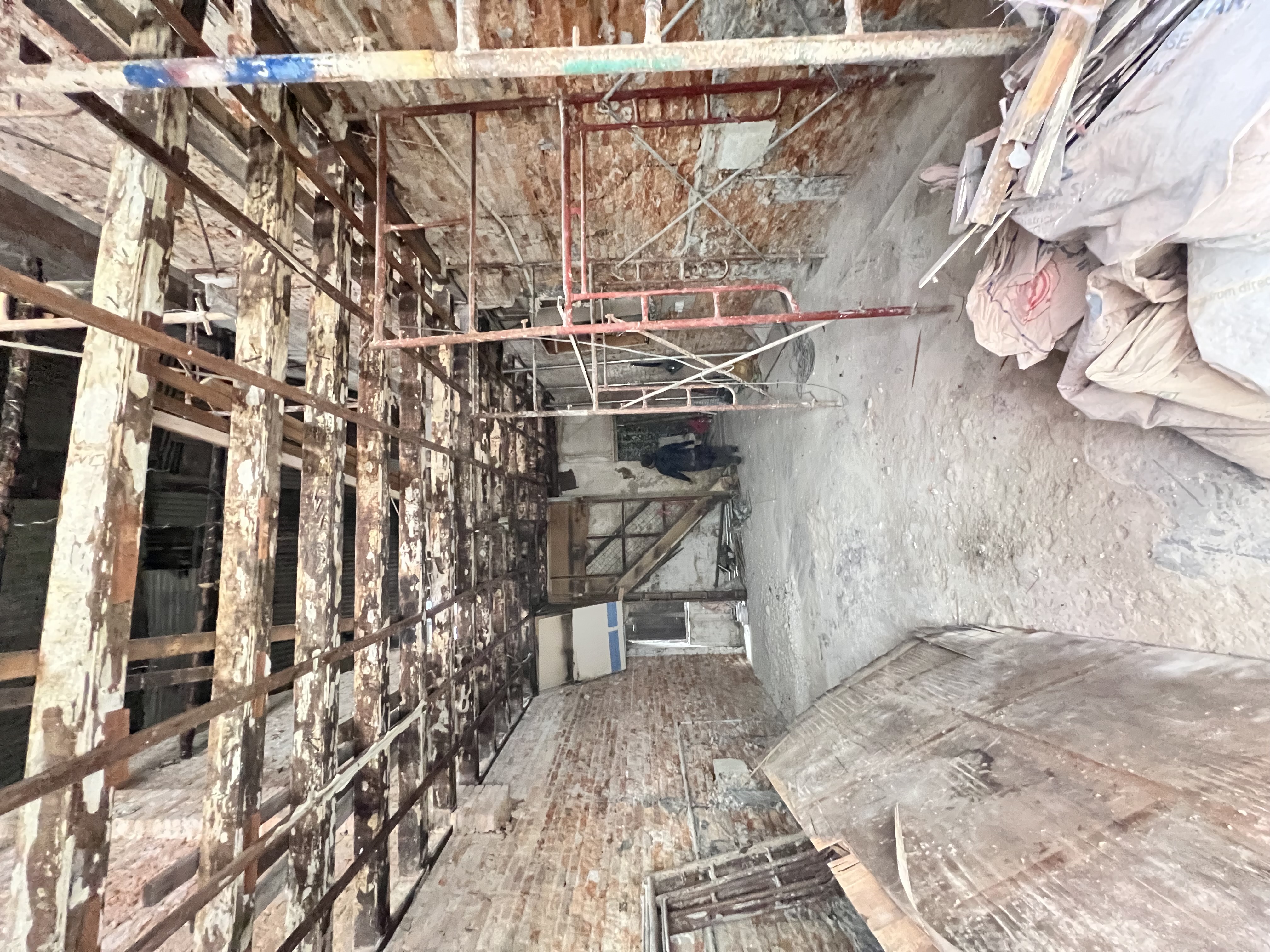
For over 30 years, life was corporate meetings, service escalations, launch targets, and margin mandates. Now it was Bomba permits, ceiling joists, and learning how many kinds of tiles exist.

From quiet site visits to renovation delays, from sketches to soul-searching — this journey from career to café isn’t a pivot. It’s a purpose.

What began as a personal pause is now anchored by shared intention. This journey is also a promise — to my family, to the space we’ve inherited, and to the legacy we hope to revive together.

We’re documenting every step. Not for marketing — but for meaning. Follow us as we turn one quiet shop into a story you can walk into.


January 5, 2026 — From Restoration to Finishing Works

As the new year begins, Drury Heritage has entered its next phase of work.

The major structural repairs are now largely completed. What remains are finishing works — the stage where systems, surfaces, and details are put in place to prepare the space for everyday use.

Staircase and First Floor — Preserving What Could Be Kept

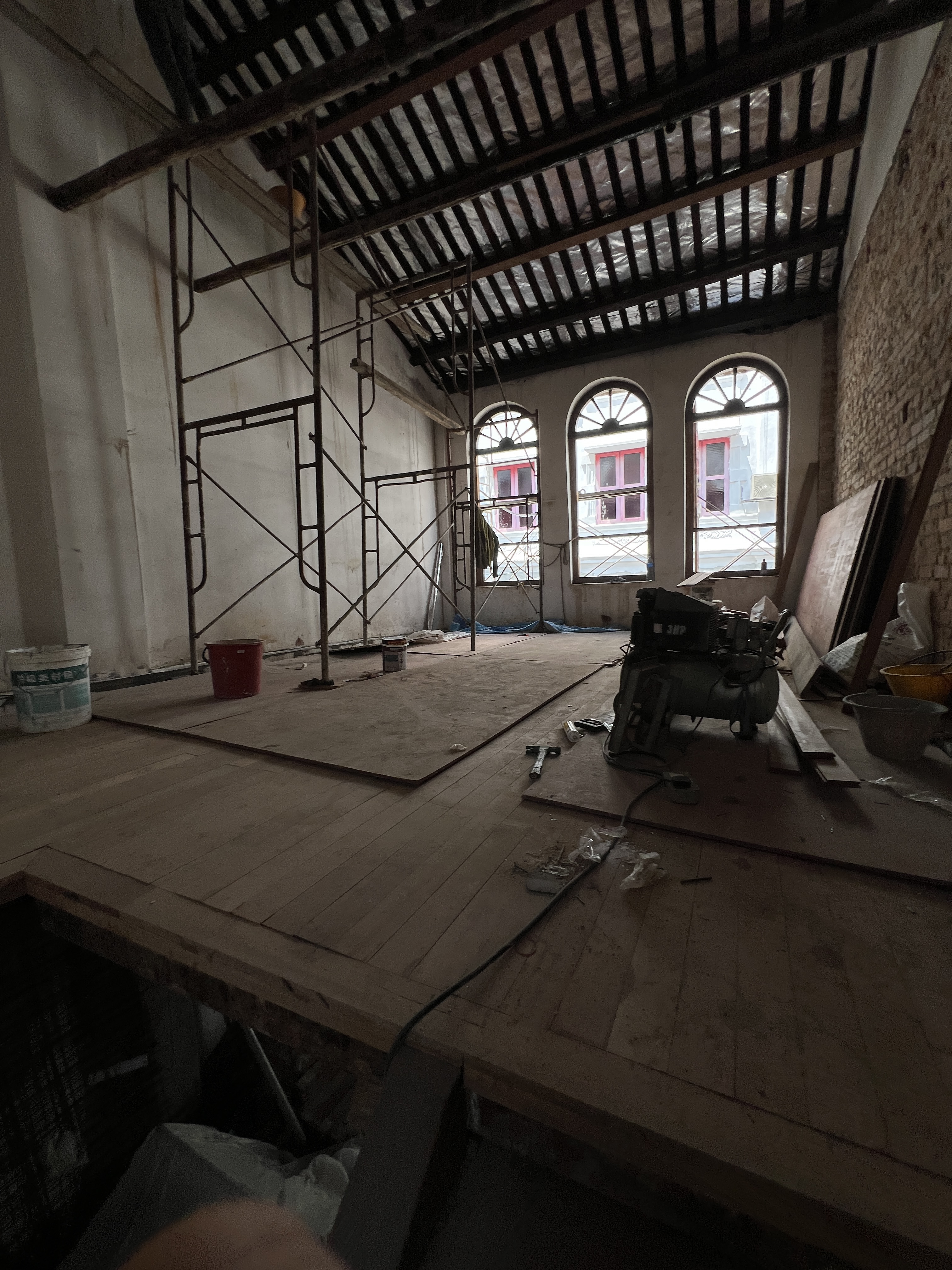
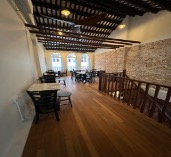
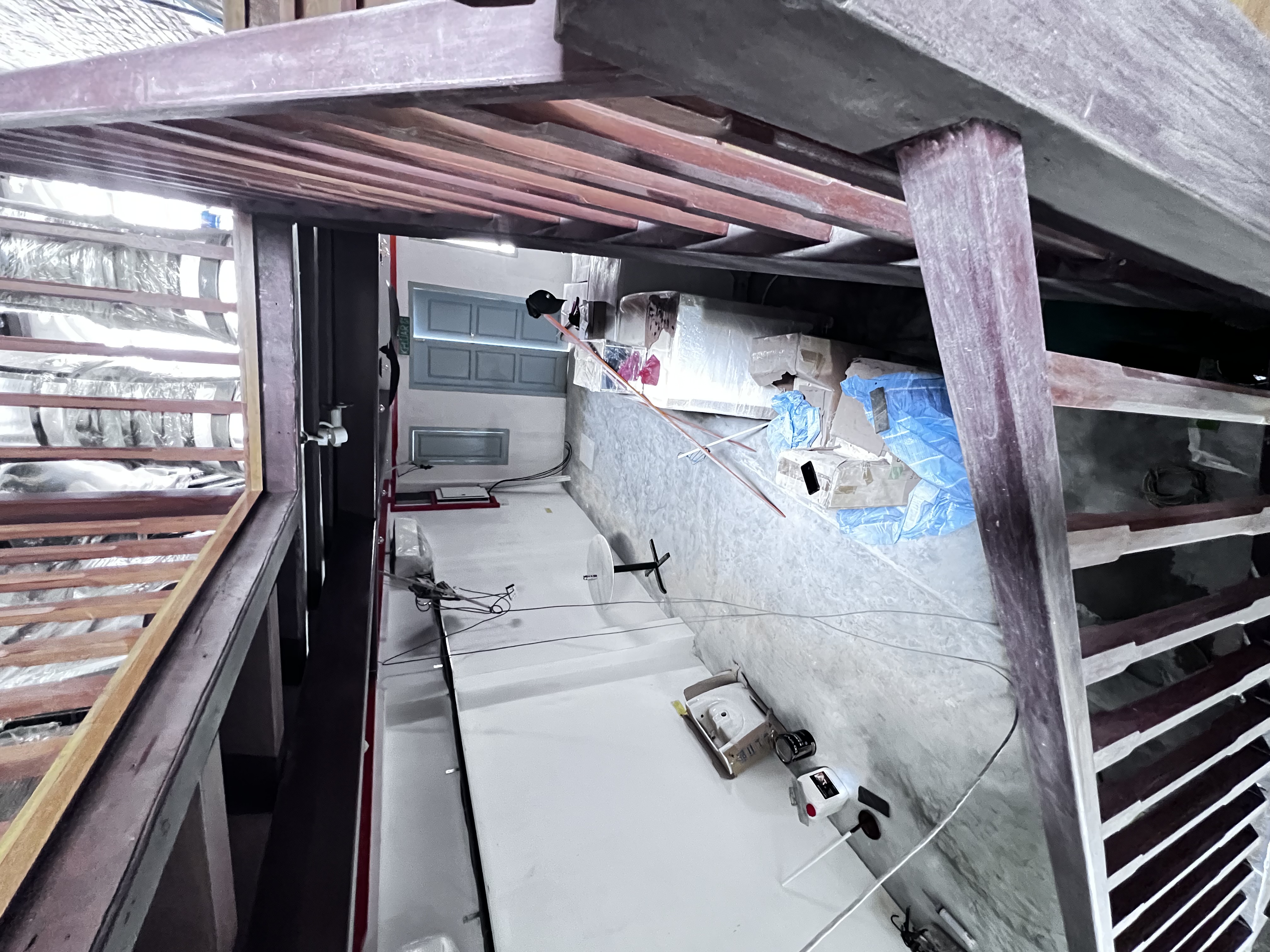
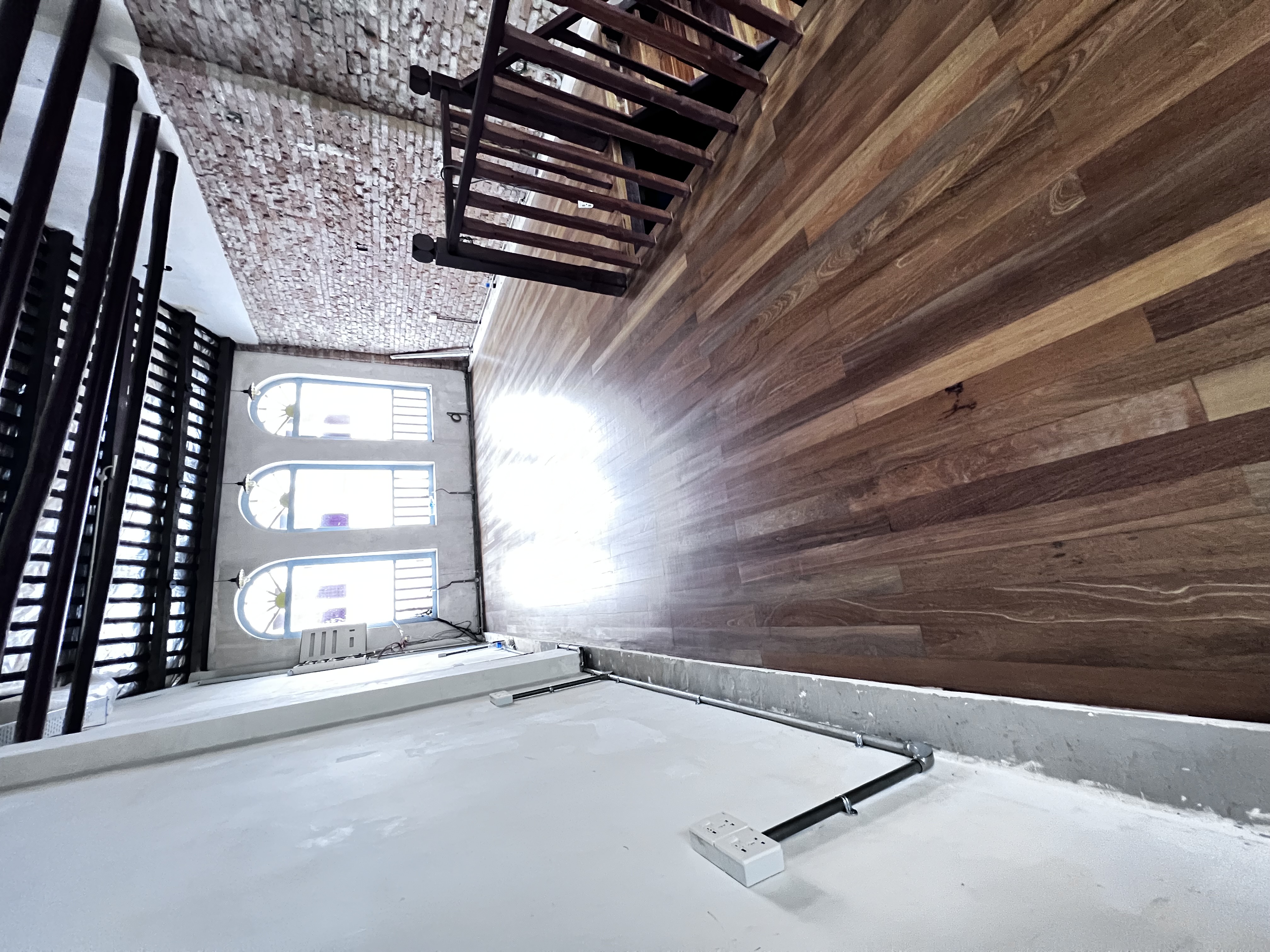
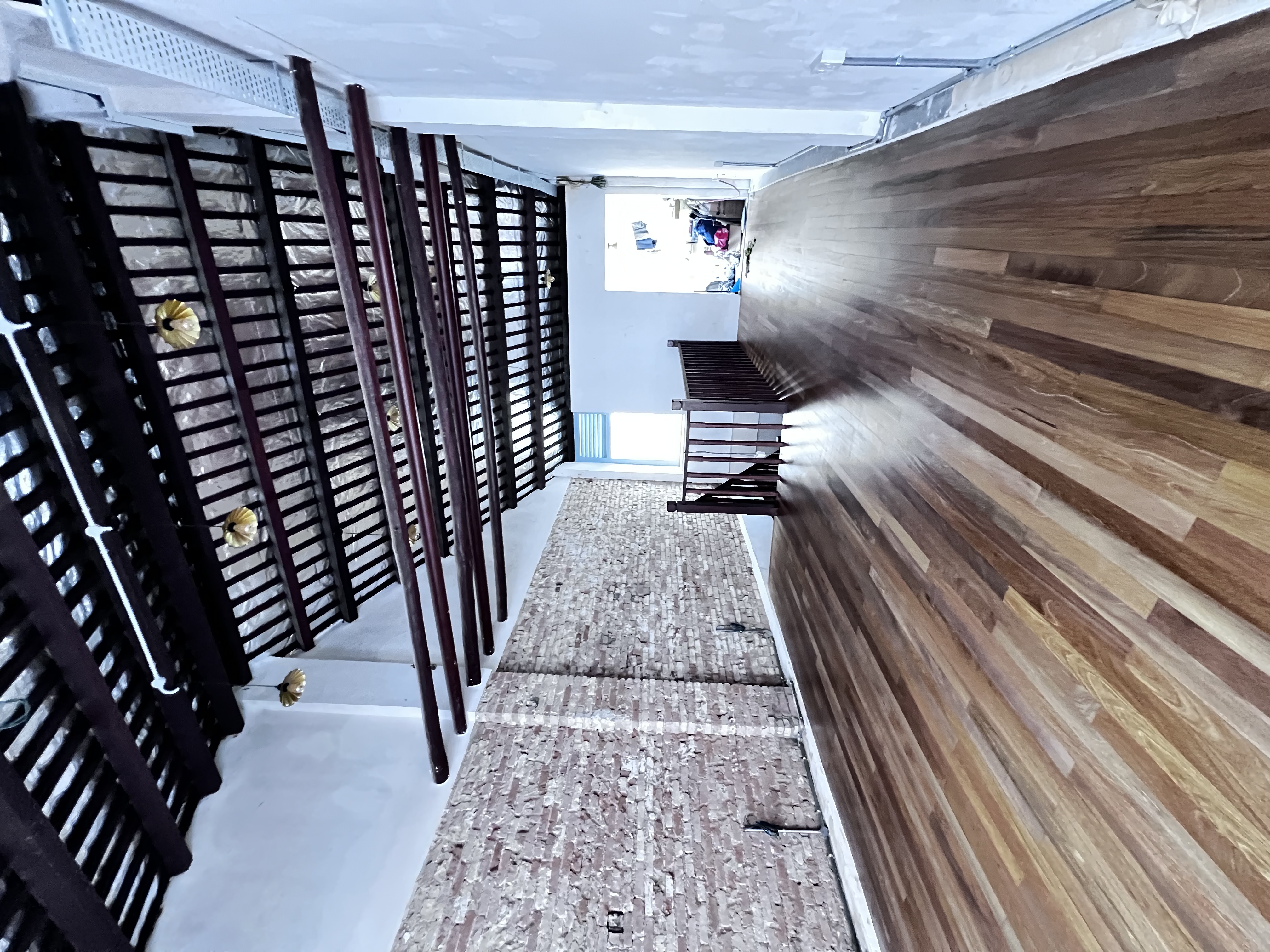
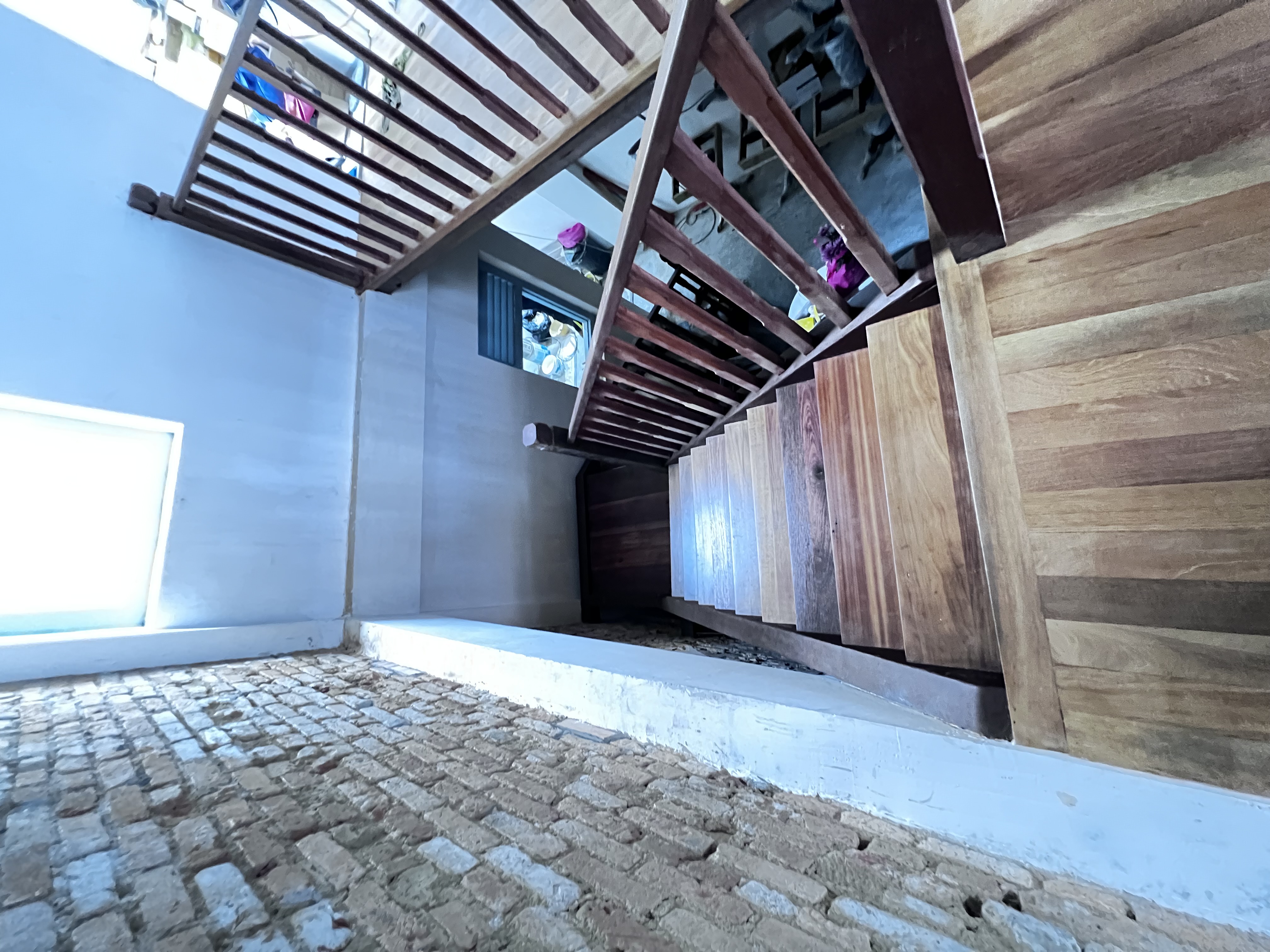
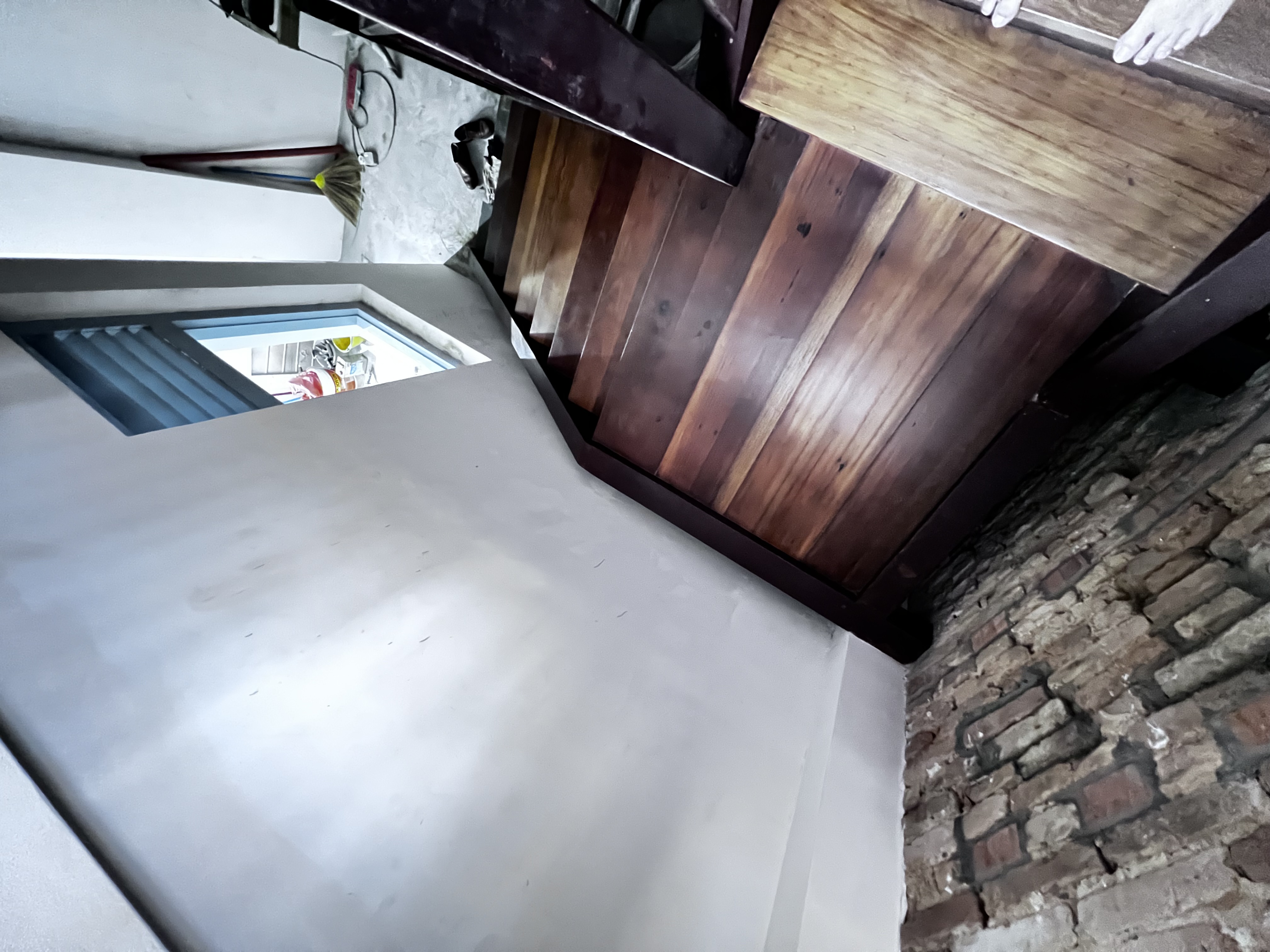
Inside the space, the timber flooring has been completed and the staircase rebuilt. The original staircase, after decades of wear, was found to be unsafe and had to be replaced. While newly constructed, its form and proportion were kept close to the original to retain the character of the space. The first floor was recently polished and is currently being protected while final works continue.

Roof, Light, and Air

Along the roof structure, five horizontal timber beams run across the space. Three of these beams are original, dating back more than a century. Two were carefully replaced where the timber had deteriorated beyond repair. Where possible, the original structure was retained, with selective intervention made only for safety and longevity. Roof tiles were replaced and additional insulation was added beneath them to improve comfort while preserving the original roof form and profile.

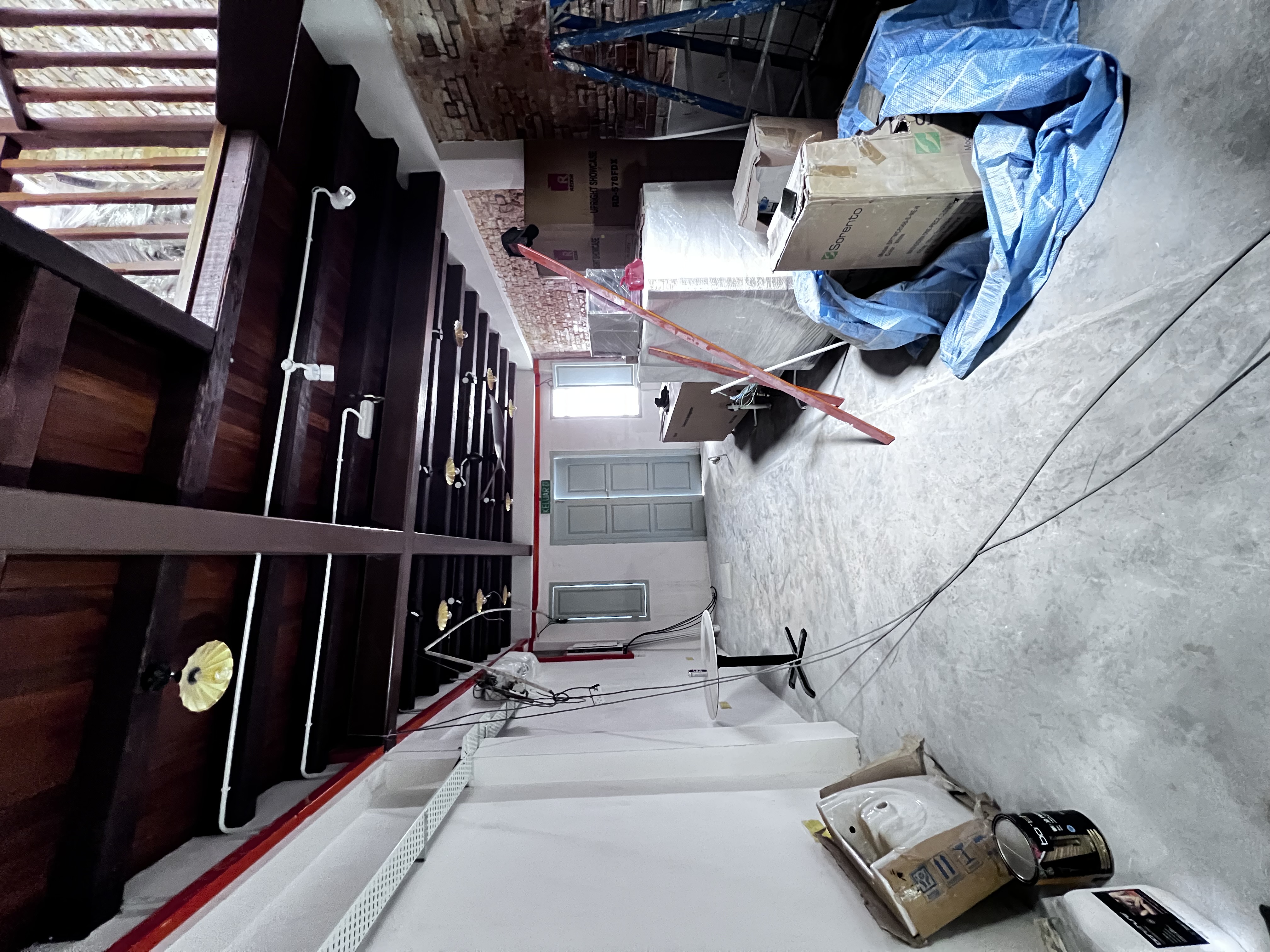
Electrical, plumbing, and water infrastructure are now mostly in place. This includes water points for single and double sinks, dishwashing, and a dedicated supply for coffee and beverage preparation. Toilet works are nearing completion, including an OKU-accessible restroom designed to meet modern requirements while fitting naturally into the building.

Ground Floor — Structure Secured, Services Taking Shape

Doors and windows are being restored in the original style of the structure, with measured adjustments made for safety, accessibility, and daily operation. While some proportions were refined where necessary, the intent was to stay close to the original design language rather than recreate it exactly.

Facade and Street Context

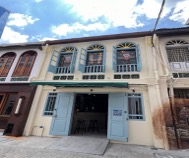
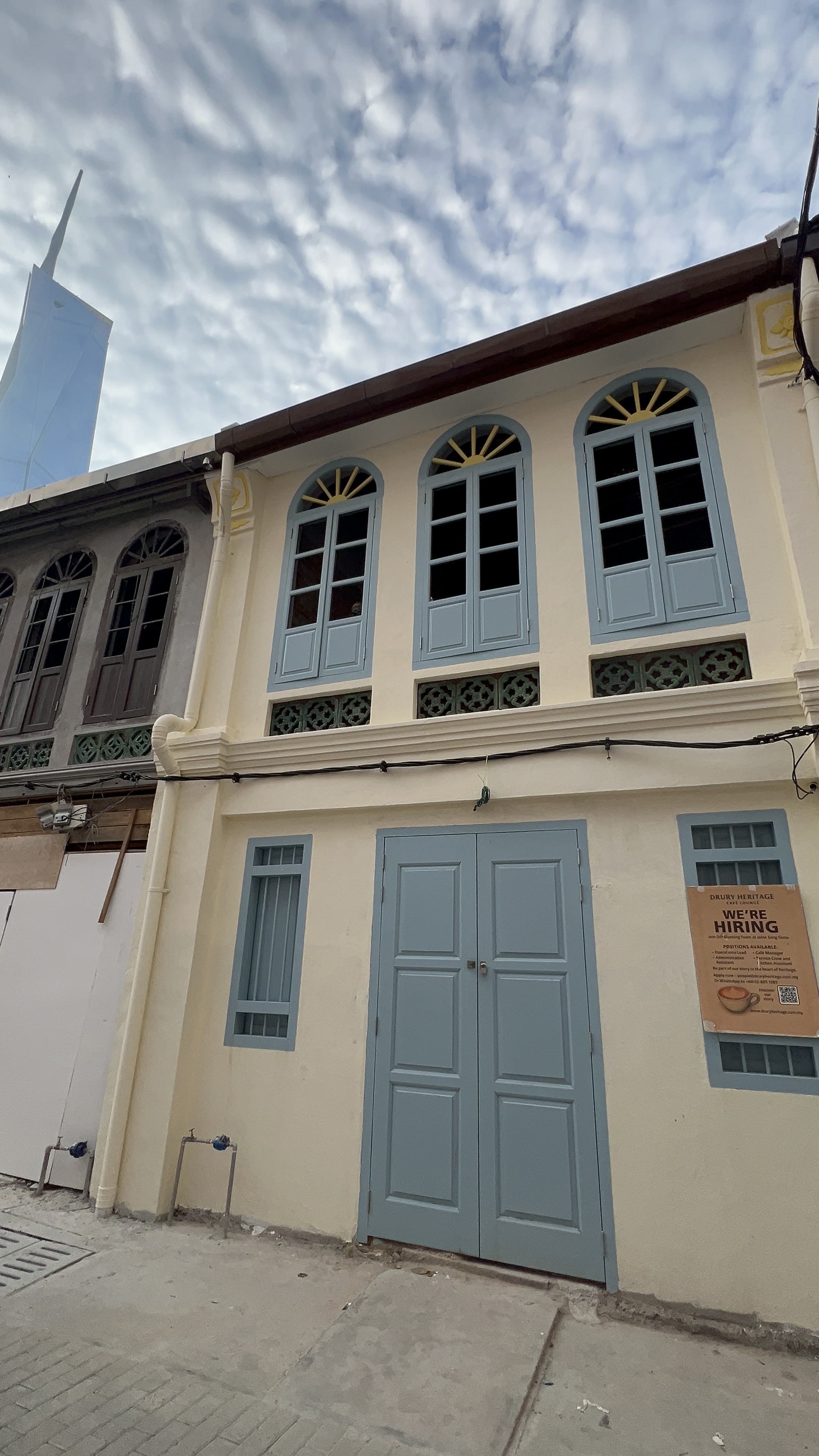
Along the street, recent facade works in the area revealed multiple layers of paint and plaster from different periods. One layer, an early acrylic paint identifiable by its peeling behaviour, likely dates to the mid-20th century. Acrylic paints only became common in Malaysia around the 1950s to 1970s. The current light blue facade takes reference from this layer, acknowledging the building’s lived history across generations rather than a single moment in time.

What Comes Next

Furniture and the first batch of kitchen equipment have arrived and are being staged for installation. Additional equipment will follow in the coming weeks as the space transitions from construction to setup.

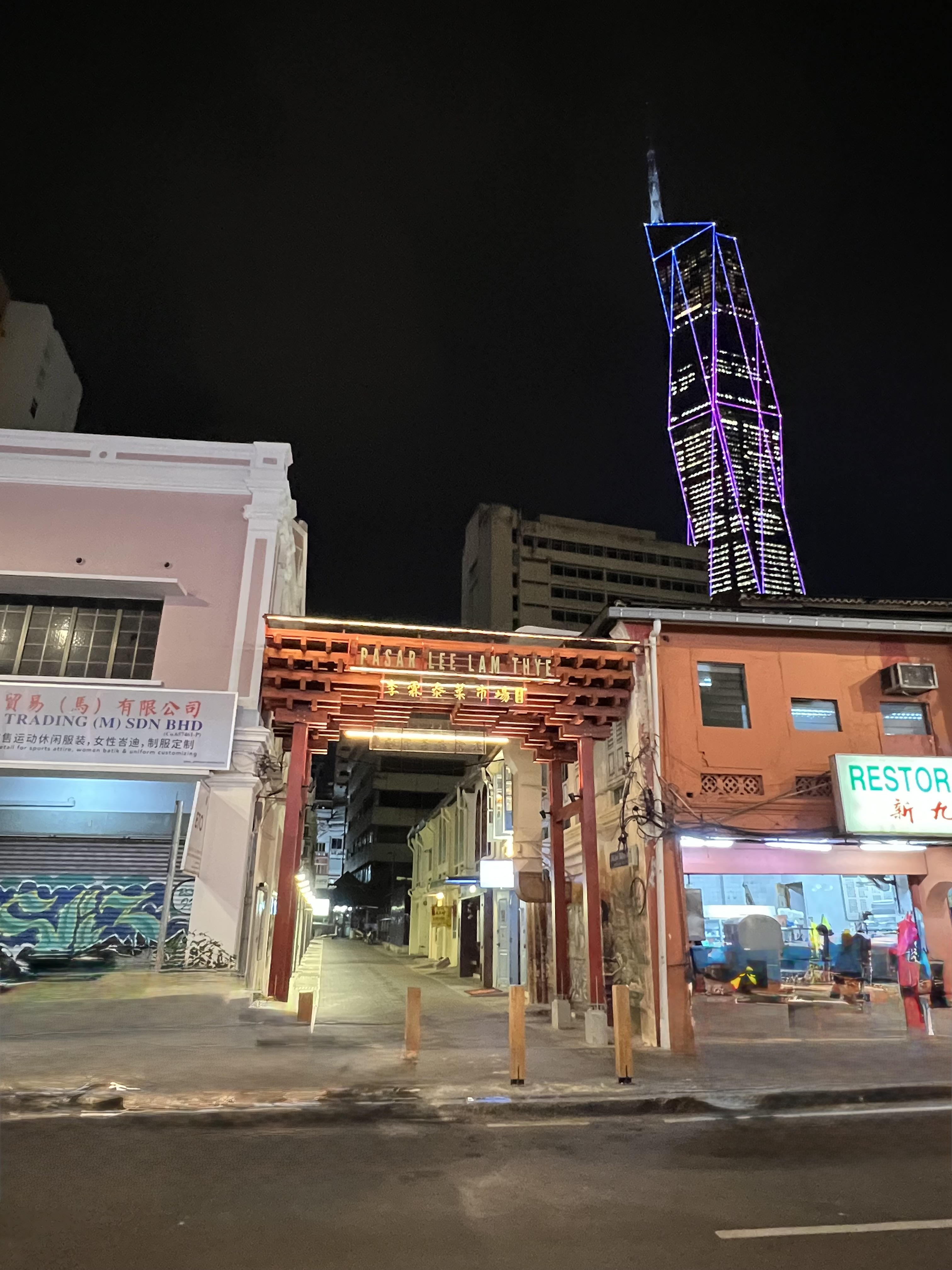
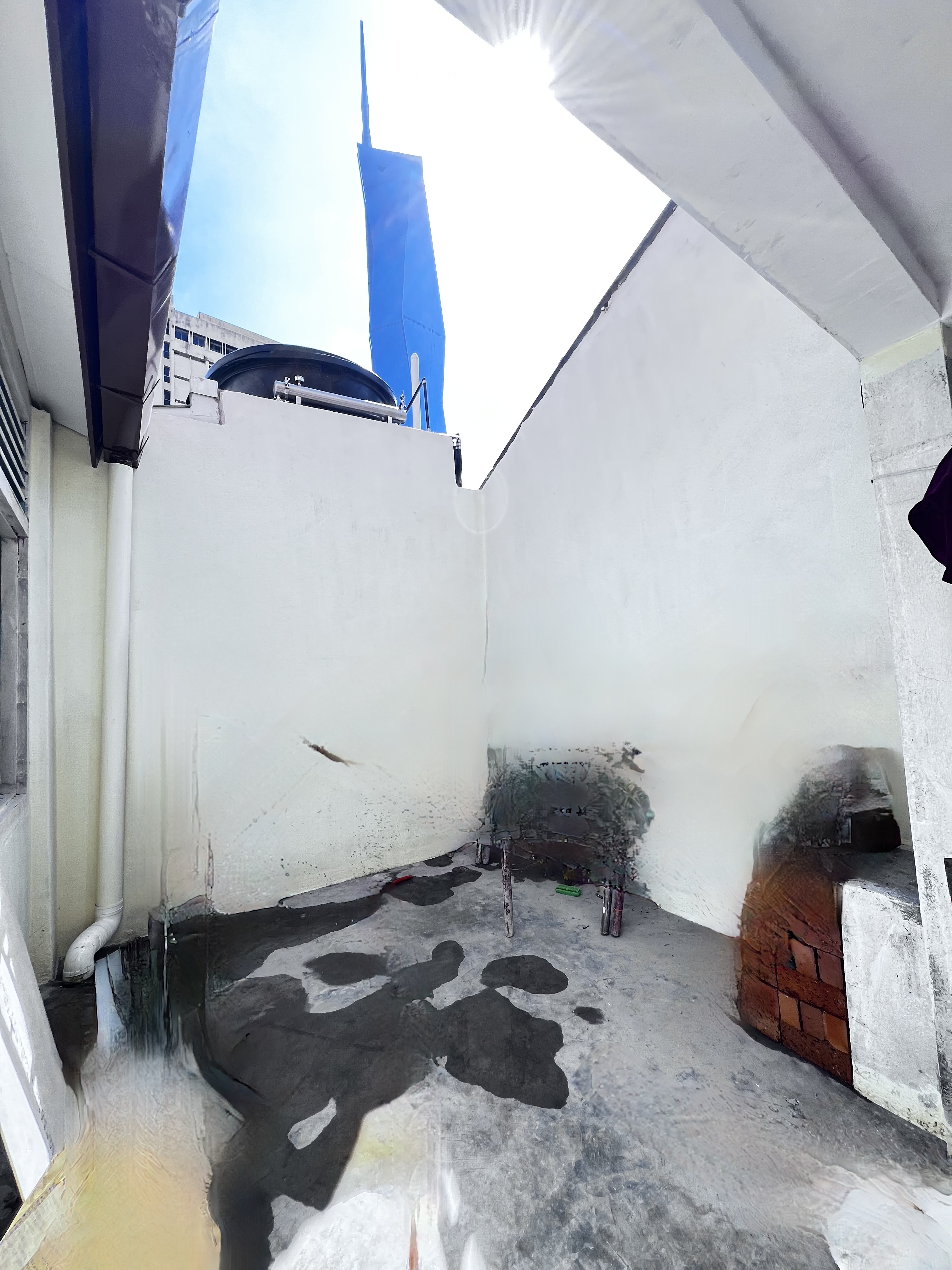
From the first-floor windows and open terrace, there is a partial view across surrounding heritage rooftops towards Merdeka 118 — a quiet contrast between old and new. In the coming weeks, postal boards are expected to be installed along the street-facing wall, creating more places for visitors to pause, observe, and take photographs from the upper floor.

Drury Heritage is not yet open, but the structure is now stable, systems are coming together, and the space is moving steadily toward readiness.


cons image 1

The external facade is now largely in place, with only final elements such as the glass panels yet to be installed. The restored frontage has begun to draw attention — passers-by have already been stopping to take photographs against the light blue facade, a quiet sign that the building is once again becoming part of the street’s daily life. The colour itself is not decorative, but deliberate — drawn from a mid-20th century paint layer uncovered during restoration, reflecting one chapter of the shop’s long, lived history.

cons image 2 cons image 3

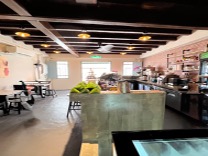
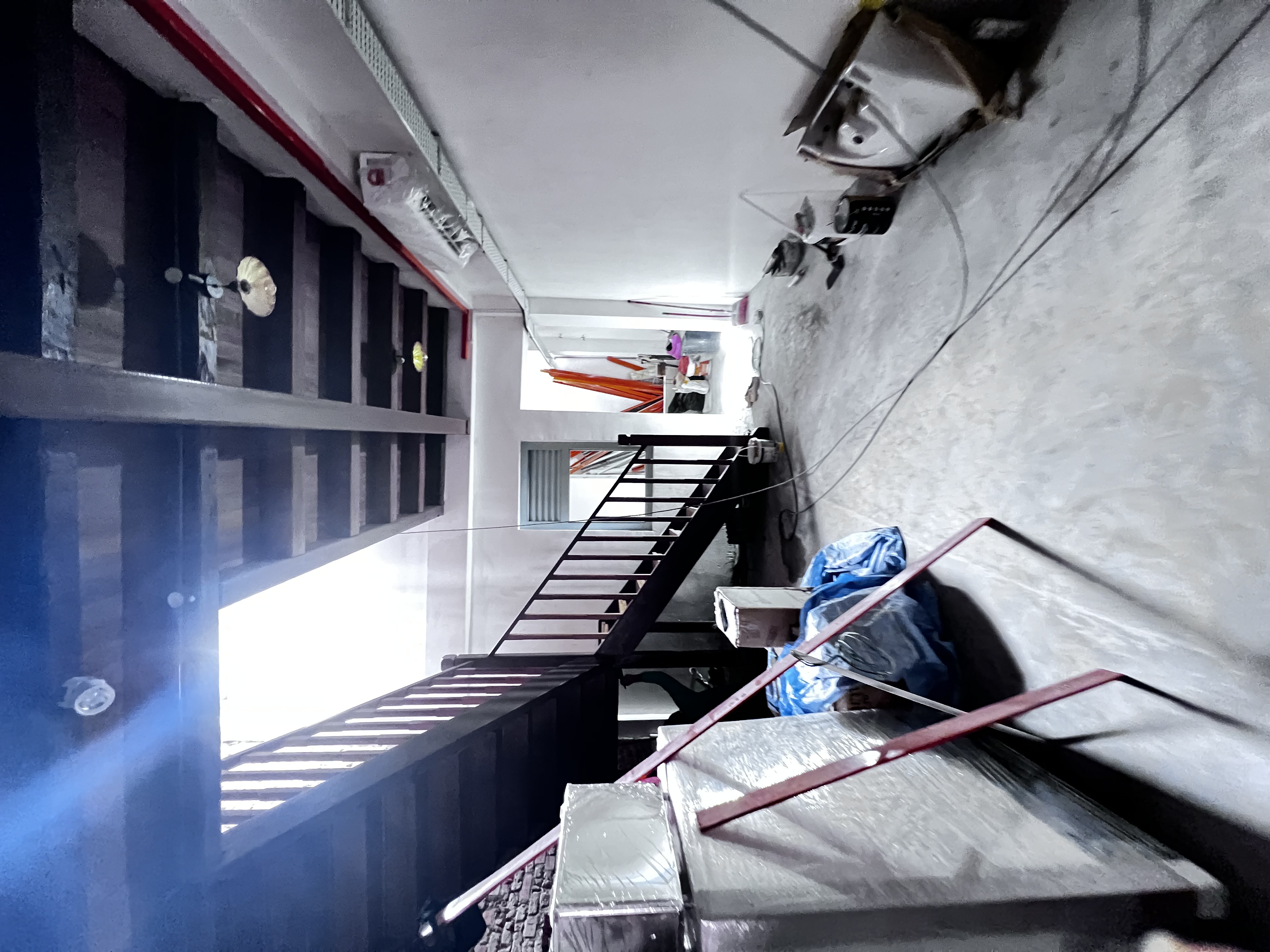
The ground floor has reached its final construction stage. Core services are in place, and what remains are wall touch-ups and finishing before kitchen equipment and tables are installed. At this point, the space shifts from being built to being prepared — ready to receive its working elements and, soon after, people.

cons image 4 cons image 5 cons image 6

The first floor timber platform is complete, with flooring polished and protected while final works continue. This upper level will form a quieter, more reflective space, overlooking both the street and the interior below. The balance between retained brickwork, timber, and light defines the character of this floor.

cons image 1 cons image 2

The staircase has been rebuilt for safety after the original structure was found to be no longer secure. While newly constructed, its proportions and rhythm remain close to the original.

cons image 1

From the open terrace, there is a partial view across surrounding heritage rooftops towards Merdeka 118. The contrast is quiet but powerful — old and new sharing the same skyline.

This terrace will remain an open pause within the building, a place to look outward before returning inside.